Friday, April 22, 2016

Happy Earth Day!


Happy Earth Day, Earthlings!
This is the 46th year of celebrating Earth Day. 46 years ago people started to realize how our way of living was harming our environment. This was at a time when industry chugged away polluting our skies, rivers, lakes, and oceans without consequence. Leaded gas was pumped into cars. Oil spills were common and a river even caught fire! But it was also a time when young people were taking to the streets to protest the wrong they saw in their country and the world. There was an incredible energy put out by the youth for the Anti-War Movement and the Civil Rights Movement. Earth Day founder, Gaylord Nelson, then a democratic U.S. Senator from Wisconsin, saw this energy and used it to spread awareness of the environmental issues of the time.
The similarities of that time and now are frightening. But again, people are taking to the streets to protest war, fight for civil rights and environmental justice. The environmental movement got us the Clean Water Act, and the Clean Air Act. That was great but so much more needs to be done. Now climate change is a huge threat to our planet and us. It is the most pressing issue of our time and we all need to do our part. Here are some things we can do today and always:

Reduce, Reuse, Recycle
When you throw your trash "away", it does not disappear. It goes to a landfill where it decomposes sending methane, carbon dioxide and toxins into our air, soil and water. Reducing waste is the best way to fight this. Using reusable bags, travel mugs, and water bottles cuts out plastic and paper waste that would sit in a landfill. Recycling that waste is the next best option. Find out what you can and can't recycle in NY. 

Compost
Composting is a form of recycling but for food scraps and plant waste. It's a biological process in which natural microorganisms break down organic matter. Check out our blog about composting! If you don't have space for a composter, there are locations around the city where you can take your organic waste. Check out GrowNYC to see where you can bring your compost waste.
Buy Local & Eat Seasonally
Buying locally grown food cuts down on carbon emissions needed to transport produce. Instead of strawberries in the winter, when they'd have to be shipped in from another part of the world, eat local strawberries when they are in season. They taste better when they're fresh and they have more nutritional value when eaten closer to the date they were picked. Living in NY, we have an endless amount of farmers markets throughout the city and many stores that partner with local farms. Many think that organic local produce is unaffordable, so many markets have worked with the city to be able to accept EBT/food stamps. Check out this map to find the closest market to you and what days they're open. 
Myrtle Avenue
Join a Community Garden
Many of us in the city don't have space for our own gardens. So many have come together as a community to make our neighborhoods and environment better. There are community gardens in almost every neighborhood. Community gardens are not only a place to grow food and plants but also a place to meet your neighbors and a platform for the community to share ideas for bettering our surroundings. Ever wanted to have a neighborhood cleanup? A community garden would be full of people interested in helping in that type of thing. Anyone can join, just reach out. Find the your closest garden here. 

Join an Environmental Group
Earth day is everyday.. because we live here. It needs our help more than just one day a year. If you want to get more involved find a group near you that is doing good things, and join! Here's a list to get you started. 

Hundreds Of Thousands Turn Out For People's Climate March In New York City
Demand Change in Environmental Policy
We all can do our own little part do help but there needs to be big changes made from the top. Our leaders need to feel pressure from the people that elect them. EPA regulations need to be strong and be enforced. Our energy sources need to become renewable and we need to get off of fossil fuels. We can't keep allowing corporations to ruin our environment for short term gains. In the long term, we will all lose. So VOTE! Sign petitions. Get out in the street and protest. Demand that changes be made. Do it for the kids. 

Today is Car Free Day NYC!
And hey, have fun! Yes, climate change is serious but helping the environment doesn't have to be. Go plant a tree with some friends! Go have fun with other New Yorkers and get talking about how we can all help! You can check out some Earth Day events around New York here.  


Friday, April 8, 2016

Meet the Team!

The Staghorn Crew


Katherine Aul,                    Founder & Principal
Katherine’s passion for plants and landscape design began from an early age amidst the daylily beds of her mother’s garden. After completing a horticultural internship at the New York Botanical Garden she went on to receive her master’s degree in Landscape Design from Columbia University. Since then, she has been designing and installing gardens throughout the NYC metro area and beyond.

Katherine finds inspiration in the wild, native landscape. She seeks to create sustainable garden spaces that are beautiful, engaging, and restorative to both the visitor and the existing environment.

Katherine’s enthusiasm for the field has led her to speak on such panels as the 2014 Plant-O-Rama at the Brooklyn Botanic Garden, and her work has also been featured in Dwell magazine.


Dana Boyd,                          Director of Horticulture
Dana’s love for getting her hands in the ground grew when she traveled through Central and South America working on permaculture farms. She continued this work when she returned to the states working on urban farms in Baltimore while getting her degree in Environmental Science.

Seeing the importance of connecting people, especially in urban settings, with the natural world led her to New York City to work as a farm manager for the Horticultural Society of New York. She has now been with Staghorn NYC since April 2015. Working with Staghorn has allowed her to combine her passion for helping the environment and native species by reintroducing habitat, and connecting people with nature.

In her spare time, Dana tends to her extensive indoor plant collection, travels, reads, does lots of yoga, and likes getting into new hobbies, like ceramics!


Colin MacInnes,                    Director of Carpentry
Colin is a renaissance woodsman hailing from Michigan. After completing his education in aviation, Colin switched gears and refocused his talents on agriculture and later carpentry as an apprentice under a master carpenter in his home state. Now a woodworking pro in his own right, he leads carpentry projects for Staghorn ranging from custom outdoor furniture to decks and planters.

In his free time, Colin can be found building high-end interior carpentry pieces, hiking, fishing, cooking, and spending time with his loyal canine companion, Millie.

New Members!


Marisa Prefer, Assistant Gardener
Marisa Prefer is a multi-disciplinary educator, amateur herbalist and designer who explores relationships between land, food & power by building regenerative systems for well being. Marisa has collaborated with artists, farmers, healers and big-thinkers of all ages from coast to coast at the Berkeley Art Museum in Berkeley, California, Local Roots Farm in Duvall, Washington, the Sage Mountain Herbal Education Center in East Barre, Vermont, and more recently in New York as the Assistant Coordinator of Brooklyn Botanic Garden’s Children’s Garden, the Curriculum Developer for SwaleNY, a NYC Master Composter, the Programs Manager at urban agriculture education outfit Sprout Farms, and as part of the artist group non/studio.


Hester Griffin, Assistant Gardener
Hester's love of plants began during her sophomore year of college at the New School when she planted a dye plant garden. This was the first of many gardens and farms that's she's worked on. Her interest in traveling and plants has led her to many amazing places, but she always find herself back in NYC. There's something especially fun about growing plants among skyscrapers and cement.

When Hester's not gardening, she will most likely be found wandering around NYC, cooking, or working on textile projects. She also escapes the city to visit family in Maine and hopefully somewhere warm during the winters!

Friday, April 1, 2016

We Have an Office!

We are super excited to move into our new office at Coworkrs in Gowanus!
New office, new crew!


Have an awesome weekend everyone!


Friday, March 25, 2016

Awesome Low-Light Houseplants


I’m doing this post because this is something I’ve been thinking about all week. I am moving to a new apt in April and my new room has a dreaded north facing window! I must have plants in my room. So, all week I’ve been scouring the interwebs trying to find the best low-light indoor houseplants.  Here are some that I found.


Snake plant, Sansevieria trifasciata
best house plants - Snake Plant - yes! I sooo agree! I started with one, now have 6 and have killed everything else1:
Image: Mother Nature Network


These are super hard to kill...unless you give them too much attention. Overwatering is the biggest issue people have with these. If you aren’t great at remembering to water your plants, this is the one for you. Allow your snake plant to dry out some between waterings. I actually already do have snake plants (woo) and I water mine about every two weeks.


Pothos, Epipremnum aureum
Free form houseplant: Vines trained to meander around windows or up walls imitate art reliefs and seemingly let the outside creep in. Click or tap for more fresh ideas for houseplants from Tara Heibel, co-owner of Chicago’s home and garden shop Sprout Home and co-author of Rooted in Design. (Photography © 2015 by Ramsay de Give and Maria Lawson.):
Image: Rooted in Design


Pothos is another super tough plant that can thrive in low light. Actually pothos can thrive in any lighting situation. When I had a room with no windows, I had pothos growing all over my room. This plant is great because you can vine it all around. It’s a nice one for bathrooms as well. And propagating new plants from cuttings is so easy. I have a couple cutting that have just been growing out of a little thing of water for over a year!  


Parlor Palm, Chamaedorea elegans
Image: Houzz


This one is great if you still want a big houseplant but don’t have lots of light. Parlor palms can grow up to 4ft tall. They’re great for giving you that tropical feeling without ever having to leave home in your dirty, dirty city. (:  These palms should be watered well but allowed to dry slightly between waterings. Under-watering will cause yellow fronds. Overwatering will cause root rot.


Swiss Cheese Plant, Monstera deliciosa
FEED ME: When To Fertilizer Your Indoor Plant:
Image: The Garden Glove


This is another awesome big tropical plant for low-light. It can grow up to 10ft over the years! The young leaves are smooth but as it matures they will develop long slits and holes. This plant still needs some light though. If it doesn’t get enough the leaves will start growing without slits and holes so they can have more surface area for catching the light. In the wild, this plant will climb up trees. You can attach its aerial roots to a moss pole of stick them down in the soil. The bottom leaves will yellow if you’re overwatering.


Plumosa Fern, Asparagus setaceus
14 house plants that won't feel like chores on domino.com:
Image: Domino.com


Lucky for me, I already have a couple of these. I love their airy look. They look so delicate but they are actually pretty tough plants. They do like humidity though so a nice spray every now and then is good for them. They do really well in bathrooms because of the humidity from the shower. These ferns do not need to be as moist as most ferns. They should be watered thoroughly but allowed to dry slightly between waterings.


Rubber Plant, Ficus elastica
See Why Reddit Is Freaking Out Over This Apartment:
Image: Popsugar

These are super tough plants. They can grow huge! You can prune them to grow how you would like though, unless you really want a 50ft tree in your house. (If you do, I’d really like to come visit.) The rubber plant does well in low light and doesn’t like cold drafts. During its growing season the plant should be kept moist but during its dormant season it can be watered once or twice a month. It will show you if it needs more water. It’s leaves will droop or turn brown and fall off. Know a friend with a rubber plant? Well it’s super easy to propagate a new one from a cutting. Make sure you ask them first!

Friday, March 18, 2016

Top 5 Herbs To Grow Indoors

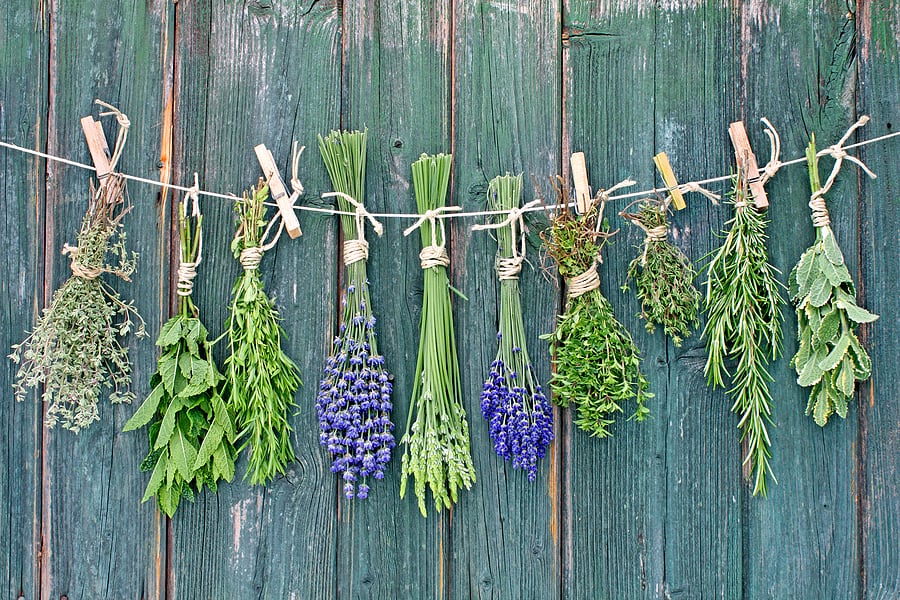
I’d love to have a big garden where I could grow my food, but that seems to be a rare luxury in NYC. We can(and should!) all join community gardens or at least visit farmer's’ markets to access fresh local food, but it’s nice to be able to grow something at home too. Fear not tiny-apartment-dwellers! If you have a windowsill, you have space to grow edibles. Herbs are great indoor edibles that you can grow and enjoy all year round. Here is our top 5 favorite herbs for growing inside!


Chives
Chives is one of the easiest herbs to grow indoors or out! It has a mild onion flavor that compliments many savory dishes. Keep your chives in a sunny window and water when the soil surface feels dry. The tips will turn yellow if it is too dry. Harvest when the plant is more than 6in tall, leaving two inches at the base for more to grow back.  


Mints
A great herb for making those refreshing summer drinks! Mints such as peppermint, M. x piperita and spearmint, M. spicata are very easy to grow indoors. They actually grows like a weed so they should have own container as to not overcrowd your other herbs. Mint grows well in indirect sunlight, so a good one if you don’t have sunny south facing windows. Mint likes moist soil but not overly wet and a good misting in between waterings keeps up the humidity which mints like.


Oregano
Your classic Italian cooking herb! Oregano prefers a sunny window and well-drained soil. Water about once a week. Oregano is susceptible to root rot so make sure not to overwater. You can start oregano from seed or a cutting from another plant. Harvest your plant regularly to encourage growth. Your plant will be productive for two years. When it becomes woody it can be replaced (or plant it in a larger pot and start a new smaller one from a cutting!).


Sage
Sage is a super tough herb. I recently visited a clients yard and noticed they had herbs sitting outside in the plastic containers they were bought in last year. They sat out over winter. All were dead except the sage! To grow sage indoors, place your plant in medium to full sun. Sage is pretty drought tolerant and should dry out between waterings. Have you ever smelled pineapple sage? It’s amazing!


Thyme
Thyme is an excellent compliment to most meat dishes. Thyme also prefers full sun. Use a well-drained sandy soil, or cactus potting mix. Thyme likes to dry out between waterings and once it is established it is pretty drought resistant, so a good one to grow if you’re always forgetting to water!

Check out our posts on winter wellness herbs and the many uses of herbs too!
If you are growing your herbs indoors year-round, make sure not to have them too close to a window during the winter or they may die! Your herbs will grow less actively during the winter months so they will need less watering. Herbs are susceptible of pests so keep an eye out for any buggers before they take over. You can easily start new plants from cuttings by taking a 5in stem, removing the bottom few leaves, and sticking it in some water. Countless new plants to be had! Enjoy.

Friday, March 11, 2016

Spring Garden Checklist


I don't know about you but I'm buzzing like a bee about this weather. Temps in the 70s in early March?? Yes, please. Fingers crossed that it's here to stay. We really didn't think we would be out in the garden this soon! Our team already got to go out and start sprucing up some gardens this week. You can start waking up your gardens too! If you’d like some help e-mail us to schedule an early-season maintenance visit. Additionally, Staghorn also offers annual maintenance contracts that are tailored specifically to the needs of each garden. Contact us if you're interested in getting a quote.


Spring Garden Checklist

If you’d like to start waking up the garden yourself, there are some key things that should get done. Here is a quick checklist to get you going!
Turn Irrigation Systems Back On
Once the overnight temperatures are consistently well above freezing and daytime temperatures are consistently above 60 degrees, you can turn your irrigation systems back on. Now is a good time to check for any winter damage that may have occurred. Check to make sure water is coming out everywhere it should be.

Cut Back Ornamental Grasses and Perennials
You should cut back ornamental grasses and perennials to the ground or a few inches above. This should be done in late winter/early spring (now), before new growth begins.

Prune Trees and Shrubs
Spring-flowering trees and shrubs should be pruned in late spring after they flower. Summer-flowering trees and shrubs should be pruned in the winter or early spring just before they push out their new growth. Evergreens are best pruned in the early spring as well just before their growth spurt.

Fertilize
Most trees experience a burst of growth in the spring and then slower growth throughout the summer. It’s good to fertilize as this growth is about to occur. This can be done as soon as the ground is workable and into May. We recommend an organic brand such as Espoma or Dr.Earth.

Assess Winter Damage
As we start to see things coming back, we can assess winter damage that may have occurred. Maybe a few branches of a plant have died or have been broken from wind or the weight of snow. These branches should be pruned off below the damage, to the next set of healthy branches. Generally new growth will occur frm this area to replace the broken section.
 
If you'd like help in caring for your garden this year contact us about setting up a maintenance contract for the coming season. We would love to help you keep your garden looking it’s best all year.

Happy spring everyone!

Friday, March 4, 2016

Spring Houseplant Care

House plants, potted plants, succulents, ferns, fig trees, and green things in pots. Indoor gardening and botanical design.:
Spring is the active growing season for your plants. Here are a few key things you can do to keep your plants happy and healthy this spring.


Watering
As the the hours of daylight and temperature increases so should watering. Don’t go crazy with it. Overwatering is the easiest way to kill your plants. Gradually increase watering and keep an eye on your plants. If the pots are soggy for a couple days, water less. If the plant is wilting, water more. If your plants are drying out too fast you could add some rocks of pebbles to the top of the soil to help prevent evaporation. Also, terracotta pots dry out quickly so keep that in mind.

This does not apply to cacti and succulents. They need to dry out between waterings.

Maintenance
Plants benefit from spring cleaning as well!
Prune away dead/dying stems or leaves. This stimulates growth and helps prevent disease and insects that are attracted to dead plant material. (Always make sure to monitor plants for pest, especially spider mites! They are hard to get rid of once they are many)
Plants may have becomes leggy over the winter. Pruning away this weak growth will promote fuller growth.
It’s also good to dust the leaves of your houseplants. They gather dust just like our shelves. The dust can block the plants pores preventing photosynthesis.

Sunlight
The amount of hours of daylight will increase and become more intense with the season. Most houseplants thrive in indirect sunlight, as extended periods of direct sun can cause leaf burn. Consider moving plants depending on their needs. Remember plants can become shocked when moving from dark to bright or vice versa so do moves gradually. If your plants are reaching, you can rotate the pot occasionally to get even growth.

Again, cacti & succulents like direct light and heat so this does not apply to them.

Temperature
As it heats up many of us will switch on the air conditioner. Your plants will not like being blown with cold air in the spring/summer. It’s best to move them away from your AC unit.
Your plants will benefit from an open window. Some fresh air and humidity will do them good.

Moving outside
Some tropical plants can be moved outside if you have space as temperature rise (should be steadily above 50F).
If moving your plants outside, do so gradually. The plants will be shocked going directly into bright sunlight. Move them into shady area first.
Make sure they are protected from wind or they may break. Pots should also have drainage holes so they don’t flood when it rains.

Re-potting
Spring is the best time for re-potting plants. This can mean re-potting the plant with new soil into the same pot or giving it a larger one to grow into if it has become cramped in its current pot. There is a nice guide to re-potting plants here.


Your plants will really appreciate the love and care. Kick off their growing season right this spring!